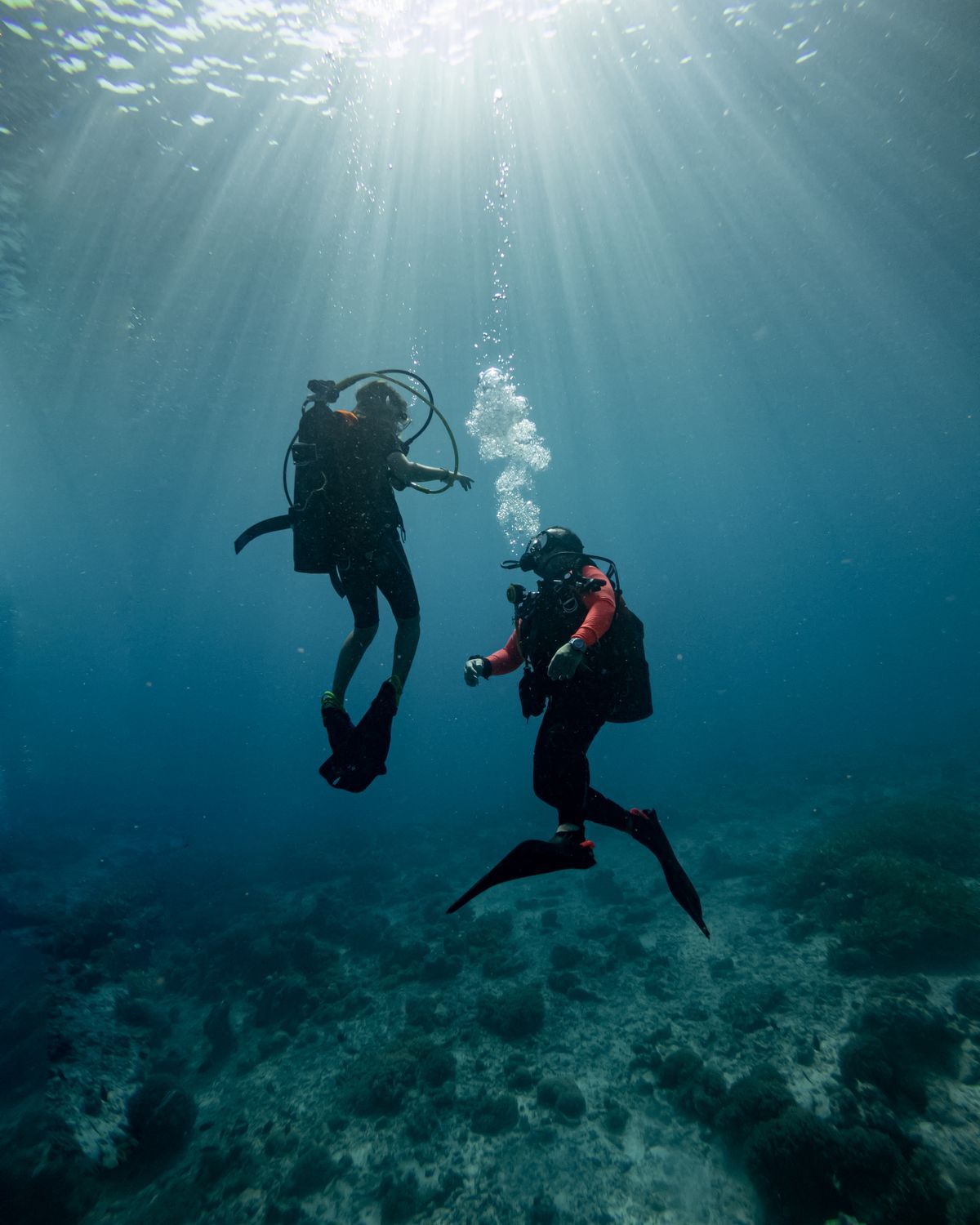
Diving
Kelp forest over granite, wolffish and crab in the cracks, and water that turns glass-clear once the autumn storms have washed the plankton out — all of it a few minutes from the jetty.
Diving
Averøy sits where the sheltered sounds meet the open Atlantic, and that edge is what makes the diving here worth the trip. The bottom is old, hard coast — granite slabs and walls dropping into sand, boulder fields left by the ice, and above it all a forest of kelp that moves with the swell. Choose the inside of a sound and you get calm water and easy navigation; go a few hundred metres further out and the same rock keeps falling away into the dark.
Life here is cold-water life, which means slow-growing and dense rather than colourful in the tropical sense. Wolffish sit in the crevices with that unmistakable face; cod and saithe hang above the kelp; edible crab back into every overhang, and scallops lie half-buried in the sand between the stones. The vertical rock is upholstered in plumose anemones and dead man's fingers, and there are nudibranchs everywhere once you slow down and start looking at the kelp stems instead of past them. Seals and otters work the same shoreline, though they usually see you first.
The season is the whole year, but the water is not the same water each month. Late autumn through early spring is when it gets genuinely clear — the plankton is gone and visibility can run past twenty metres — at the cost of short days and cold hands. The spring bloom turns everything green for a few weeks, then summer settles into warmer, softer diving with light until well past midnight. It is drysuit water in every month. Bring your own kit and filled tanks: we have no compressor and no dive service on site, but we do have four boats at the jetty and a host who knows which side of the island is sheltered when the wind turns.
More to discover
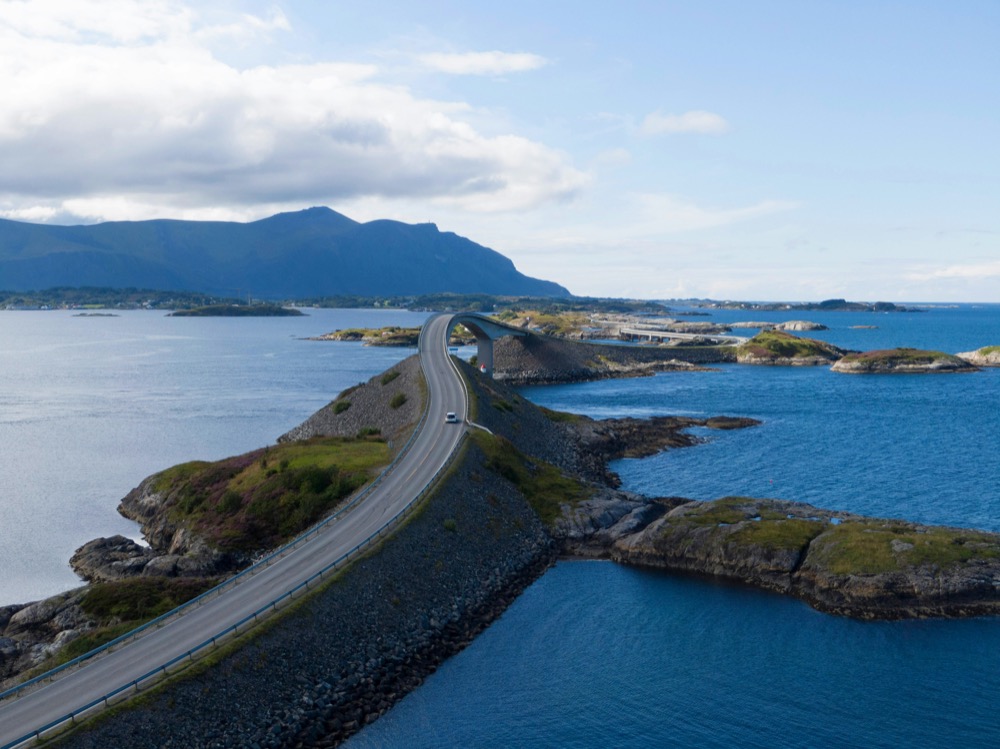
The Atlantic Ocean Road
The world's most famous road trip starts minutes from your door.
Discover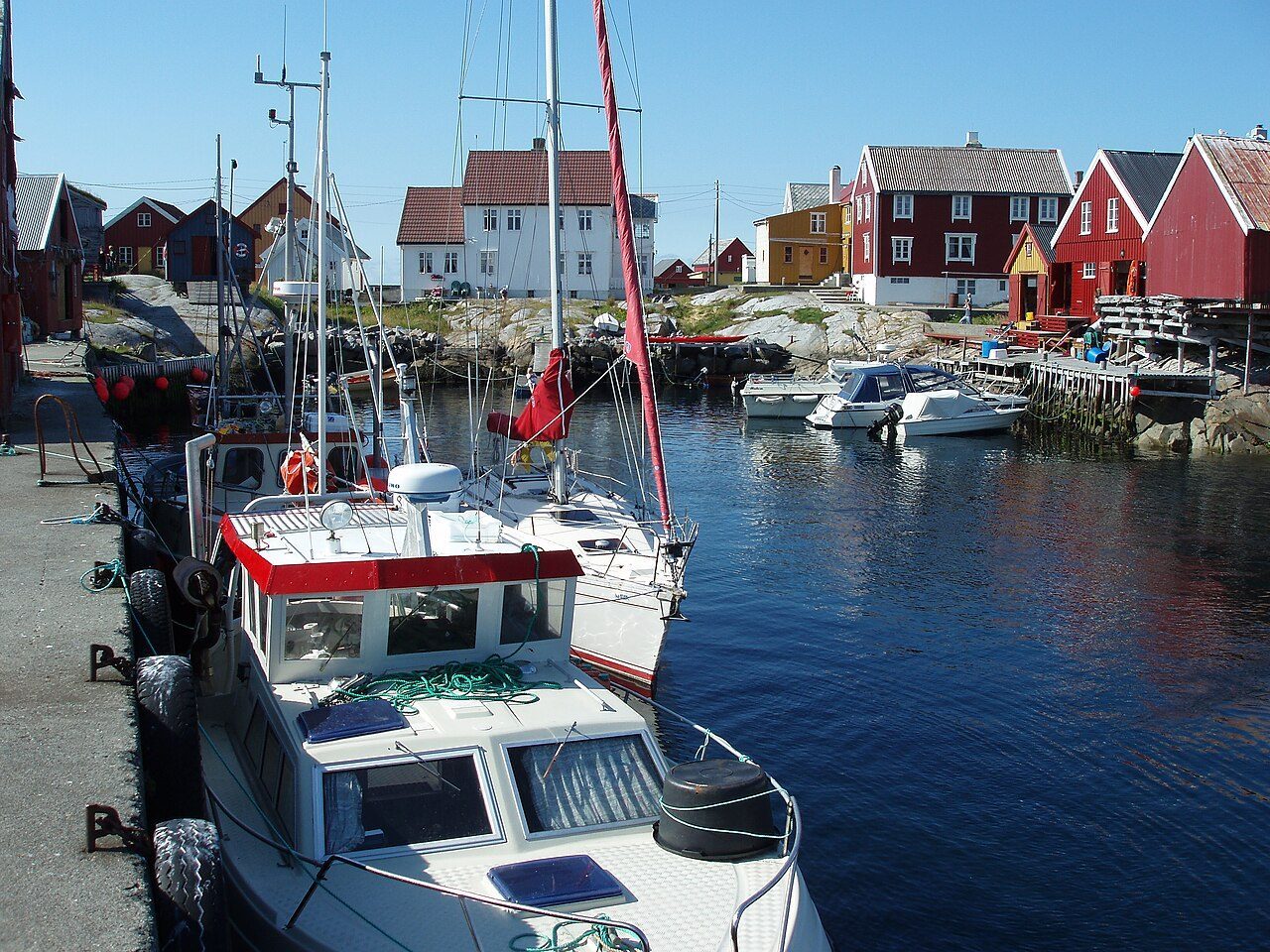
Guided Tour to Grip Island
Sail out to a centuries-old fishing community aboard a converted rescue boat.
Discover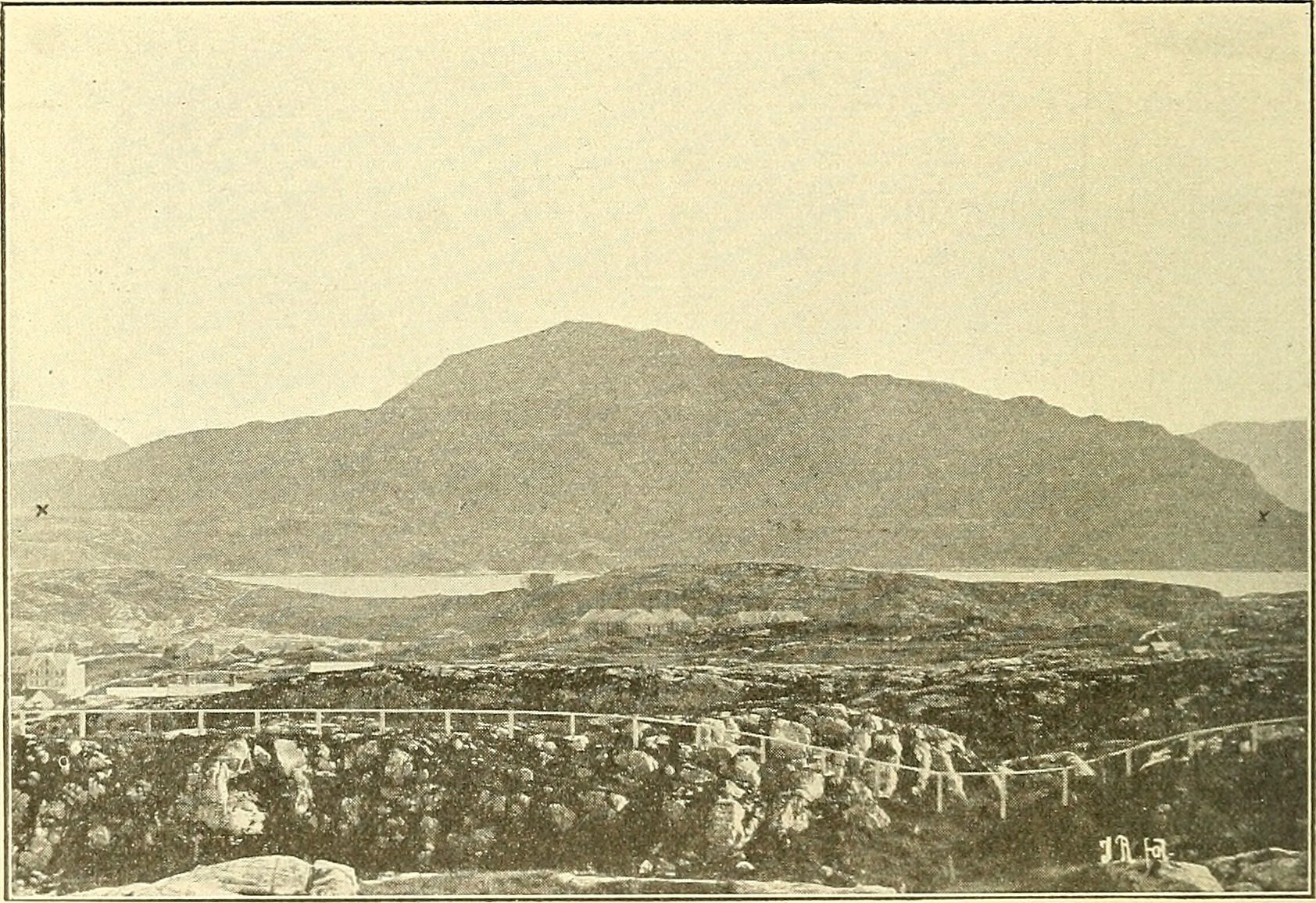
Bremsneshola
Norway's largest cave — and a stone wall that has puzzled researchers for centuries.
DiscoverEvery experience starts from your doorstep.
Five homes on Ekkilsøy, minutes from the Atlantic Ocean Road — with the Northern Lights in winter and light that never quite leaves the sky in summer. Book directly with us for the best welcome.
Check availability