Bremsneshola
Norway's largest cave — 80 metres into Bremsneshatten mountain, with Fosna culture settlements nearby and a stone wall inside that researchers still haven't fully explained.
Bremsneshola
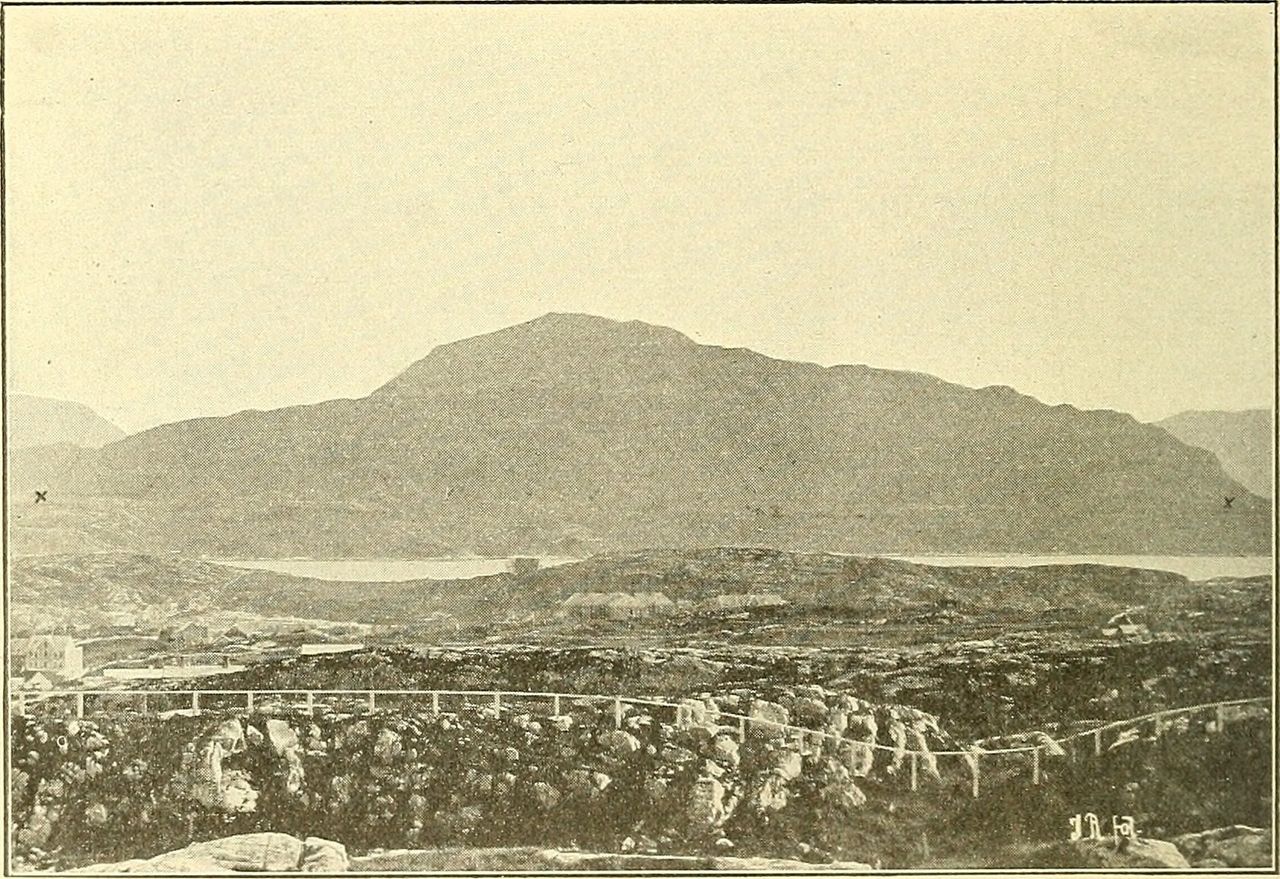
Bremsneshola is Norway's largest cave, stretching 80 metres into the south face of Bremsneshatten mountain. The entrance sits high in the rock wall — you climb a boulder field to reach it, then descend ten metres to the cave floor. Inside the main chamber a narrow passage leads a few metres further into an inner room of roughly three by eight metres. It is a more dramatic approach than most caves, and the scale rewards the effort.
The south face of Bremsneshatten has been a human place for close to ten thousand years. Settlements from the Fosna culture — among the earliest known in Norway — have been found nearby. The cave has been dug into informally over the past three centuries; an arrowhead of reddish jasper, dated to the Bronze Age (1800–900 BC) and of a type most common in northern Norway, was found at the back wall in 1960. Its craftsmanship has led some to suggest it was placed there as an offering rather than lost.
Five metres inside stands a wall of stone, 3.5 metres high. Researchers in the 18th and 19th centuries spent considerable effort puzzling over it. The current understanding is that it was originally built up by the sea and later reinforced with timber, though its exact purpose remains unknown. Old accounts assumed the cave was a refuge for outlaws and shipwrecked sailors — they were not yet aware of how deep the prehistoric use of these places ran.
More to discover
The Atlantic Ocean Road
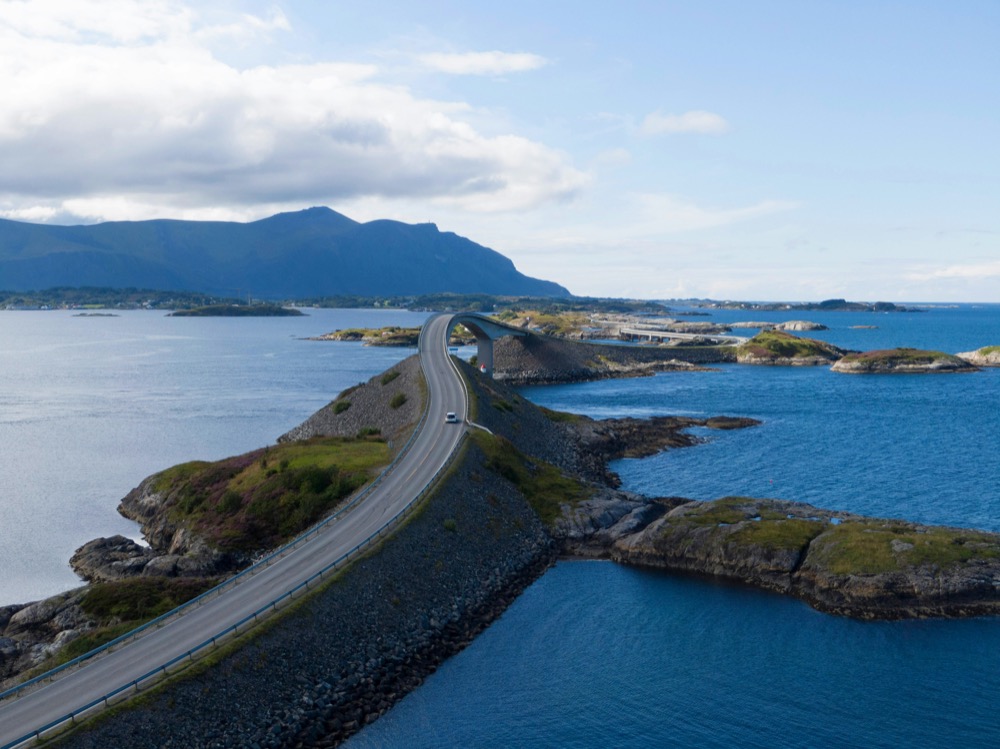
The world's most famous road trip starts minutes from your door.
Discover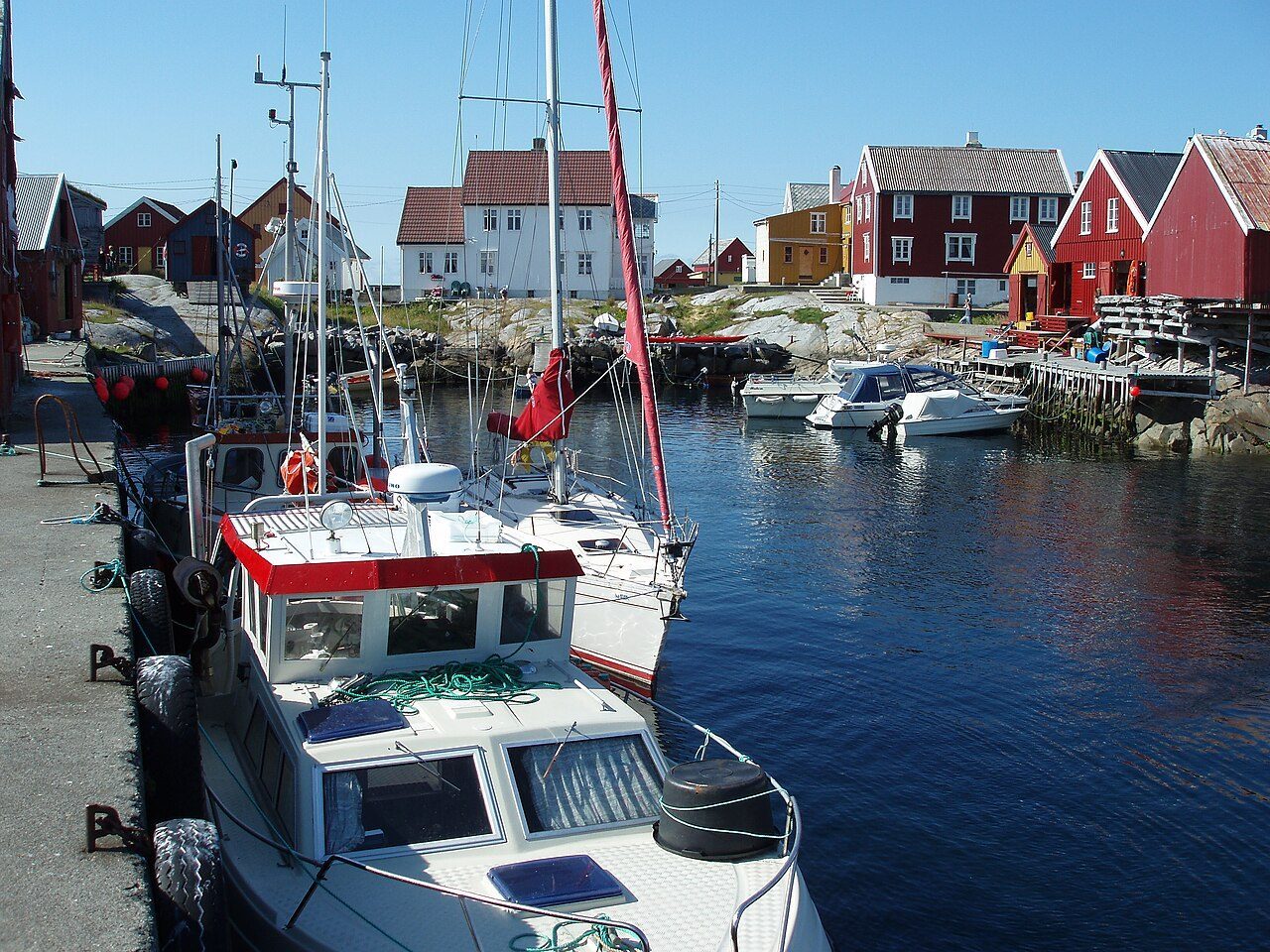
Guided Tour to Grip Island
Sail out to a centuries-old fishing community aboard a converted rescue boat.
Discover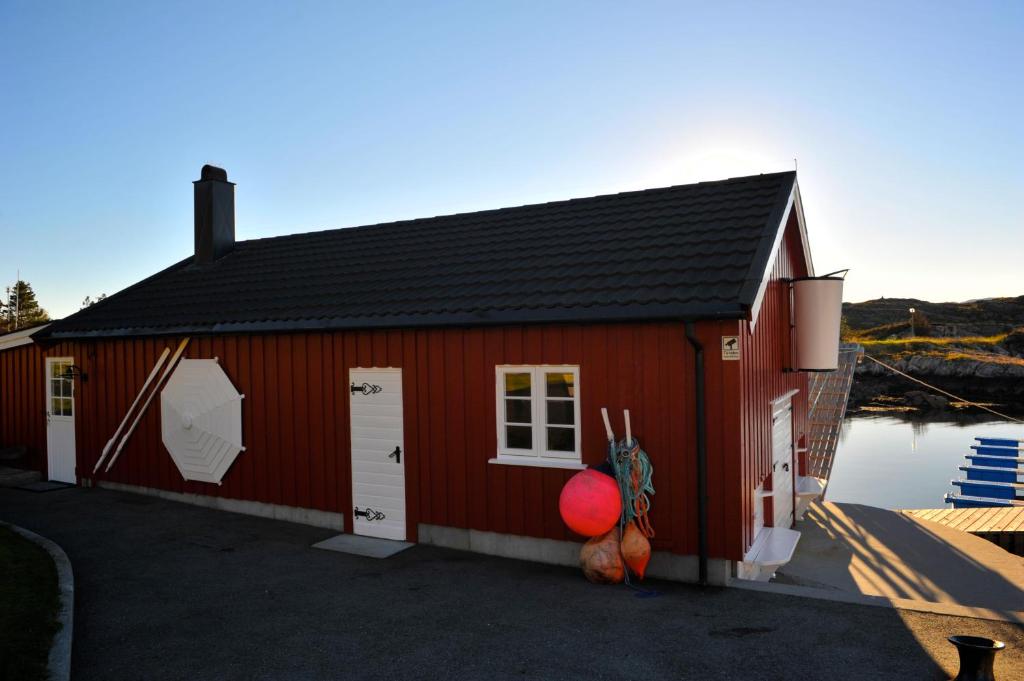
Our Museum
Our own free-to-view museum, right at the house.
DiscoverEvery experience starts from your doorstep.
Five homes on Ekkilsøy, minutes from the Atlantic Ocean Road — with the Northern Lights in winter and light that never quite leaves the sky in summer. Book directly with us for the best welcome.
Check availability