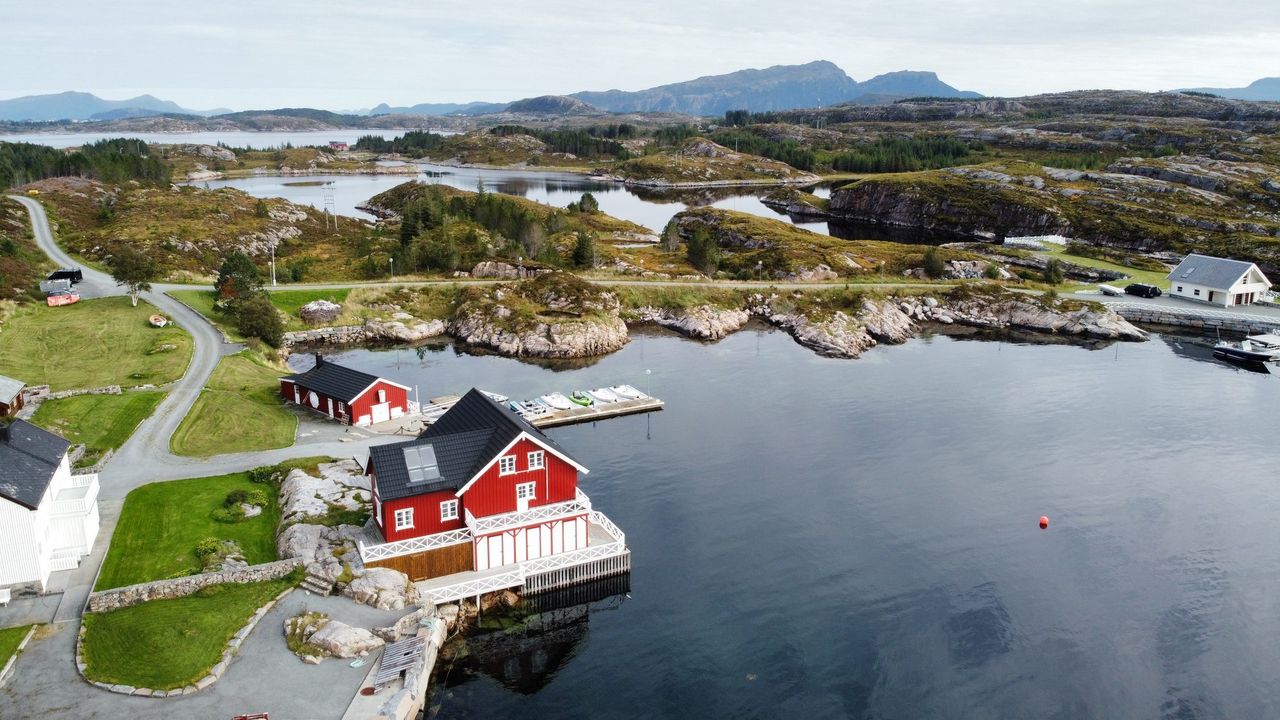
Summer gives you light and open attractions but shares the road with everyone else. Autumn and winter give you storms, aurora and an empty coast, at the cost of daylight. Neither is the right answer until you know which one you came for.
Last updated 14 August 2026
There is no bad month — only different trade-offs
The one thing that changes everything: light
Averøy sits at 63°N. That is three and a half degrees south of the Arctic Circle, and the distinction matters more than most travel writing admits.
We do not get the midnight sun. What we get in late June is a sun that sets around half past eleven and is back up before three, with the sky never going properly dark in between — you can read outside at one in the morning. It is not the Lofoten postcard of a sun sitting on the horizon at midnight, and anyone who tells you otherwise is selling you a latitude we do not have. It is, in its own way, stranger: a whole night of blue-grey half-light over a flat sea.
The same geometry runs the other way in December. The sun clears the horizon for about five hours, and the useful photographic light lasts perhaps two of them. Everything else about planning a trip here follows from those two numbers.
Summer — June, July, August
The season most people book, and for good reasons. Everything is open: the daily boat to Grip runs, the café at Eldhusøya is serving, Kvernes stave church has guided tours. Sea temperatures reach their peak in August, which on this coast means swimming is possible rather than pleasant. Fishing is easy and the boats can go out most days.
The trade-offs are real. Mid-June to mid-August is when the Atlantic Road carries tour buses and campervans, and the laybys at Storseisundet fill up. Prices are at their highest across the region. And the weather is not automatically kind — this is the Norwegian coast, and a grey week in July is entirely possible.
Best for: families, first visits, anyone who wants the full menu of attractions open. Book early; the good weeks go months ahead.
Autumn — September, October, November
Our own favourite, and the season we would send a returning guest to.
September still has real daylight and the crowds have gone home. The aurora season opens — September and October are among the best months of the year for it, because the equinox tilts the odds and there is finally enough darkness to see anything. By October the first Atlantic low-pressure systems arrive and the sea starts putting on the show the road is famous for.
November is the transition month: dark, wet, dramatic, and very quiet. The light, when it comes, is extraordinary — the sun never gets high, so you get sunrise colour that lasts for hours.
Best for: photographers, storm-watchers, aurora hunters, and anyone who would rather have the coast to themselves.
Winter — December, January, February
Short days and long weather. The Atlantic Road stays open — it is a sea-level county road, not a mountain pass, and snow is rarely the issue — but a severe storm can close it for a few hours, and crosswind on the bridges is a genuine consideration for high-sided vehicles.
What winter gives you is concentration. Five hours of daylight forces you to choose, and the choosing tends to produce better days than a June itinerary with room for everything. Sunrise and sunset are civilised hours. The aurora is possible any clear night. The house is warm, the sea is loud, and there is nobody else on the road.
What it takes away: the Grip boat does not run, some cafés and attractions are seasonal, and a week of solid cloud is a real risk. Come for a few days and you are gambling; come for a week and the odds are with you.
Spring — March, April, May
The underrated season. March still carries good aurora odds — the equinox again — while the days have grown back to something workable. By April the sea has usually calmed from the winter, which makes it the best time of year for the smaller boats and for paddling in the sounds around Ekkilsøy.
May is the quiet miracle: long light, everything green, almost no visitors, and the seasonal attractions starting to open. Water temperatures are at their annual low, so it is not a swimming month, but for hiking, driving and photography it is close to ideal.
Best for: divers wanting the last of the winter visibility, boaters wanting flat water, and anyone who wants summer light without summer company.
So when should you come?
- First time, with children, wanting everything open — late June to mid-August.
- Photography and storms — October to February. Watch the forecast and stay flexible.
- Northern lights — late September to March, with the equinox months best. Give yourself a week.
- Fishing and boating — May to September; April and May for the calmest water.
- Quiet and long light at once — May, or the first half of September.
The season can pick the home, too: Aurora Suite for the dark months, Sea View for two people in the long May light, and Atlantic Grand when the whole family comes at once in summer.
One thing does not vary by season: ask before you commit to a plan. We live here, we watch the same forecast you do but with twenty years of context behind it, and we would rather tell you to shift your drive to Tuesday than have you spend Monday in the rain.
Keep reading
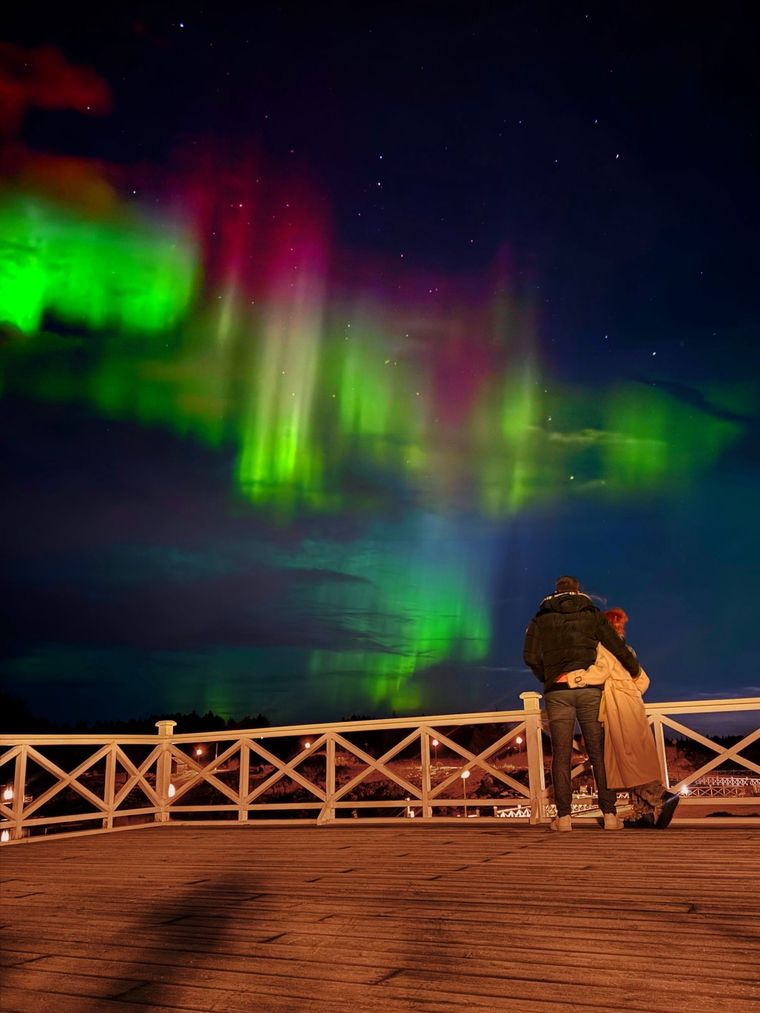
Northern lights on Averøy
Honest expectations at 63°N — and how to give yourself the best odds.
Read the guide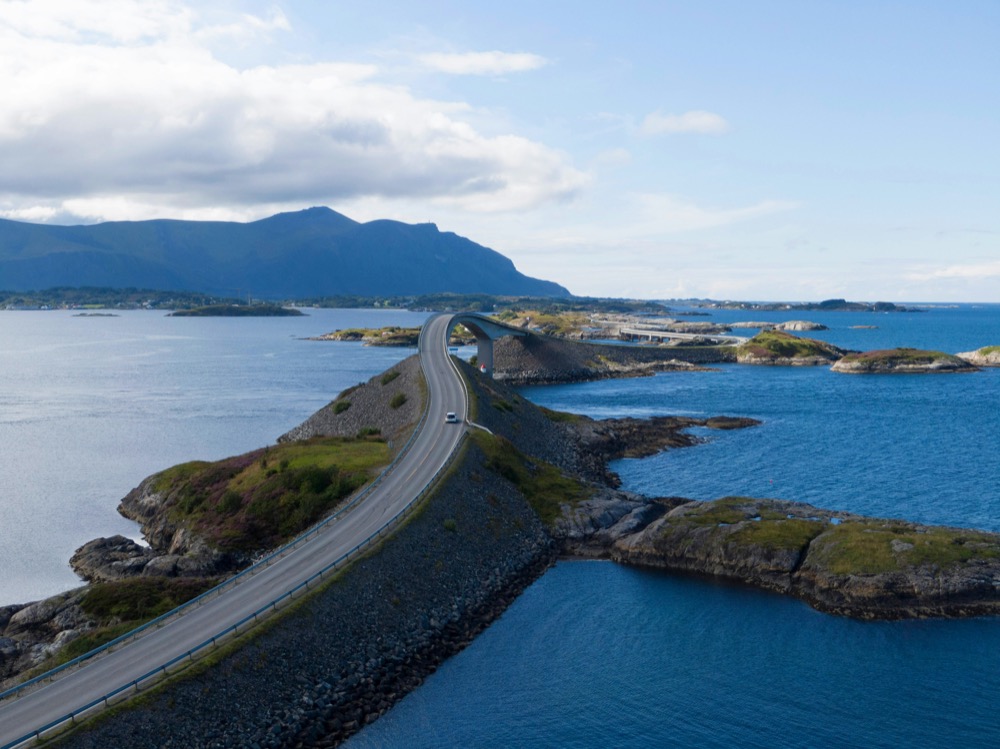
Is the Atlantic Road open in winter?
It never closes for snow — but storms are a different question.
Read the guide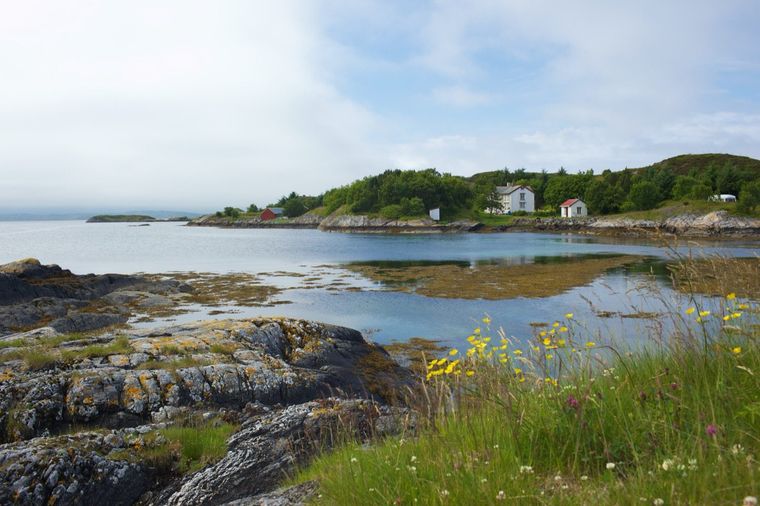
Every stop worth making
Eight bridges, four viewpoints and a stave church, in order.
Read the guideEvery experience starts from your doorstep.
Five homes on Ekkilsøy, minutes from the Atlantic Ocean Road — with the Northern Lights in winter and light that never quite leaves the sky in summer. Book directly with us for the best welcome.
Check availability